How Beyoncé’s Cowboy Carter Tour Reshaped Digital Marketing
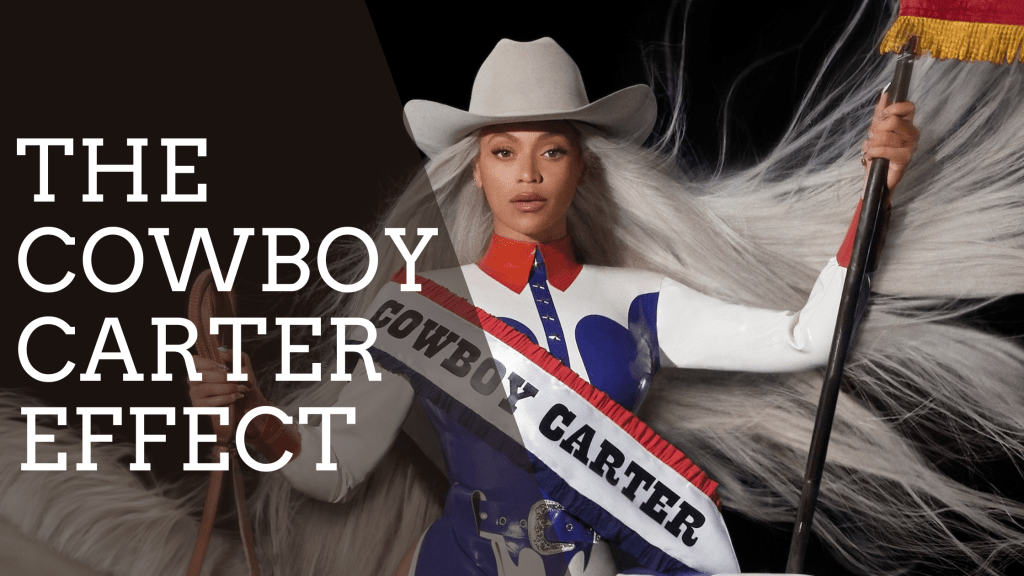
A year after Beyoncé’s Cowboy Carter tour captivated audiences around the world, its influence continues to shape culture, consumer behavior, and business strategy. What began as a groundbreaking musical era quickly became a powerful economic and marketing phenomenon, demonstrating how cultural moments can drive engagement, brand relevance, and revenue. With a year of trends and data to analyze, one thing is clear: Cowboy Carter was more than a successful tour—it was a masterclass in marketing. Here’s what businesses can learn from the Cowboy Carter effect and how brands successfully leveraged the movement to connect with audiences and grow their impact.
1. Cultural Moments Became Marketing Opportunities
The Cowboy Carter era sparked widespread conversations about genre, identity, and representation in country music. Brands that tapped into these conversations—thoughtfully and authentically—saw increased engagement and cultural relevance.
The takeaway: cultural alignment isn’t about reacting fast—it’s about showing up with intention.
2. User-Generated Content Drove Organic Growth
Over the past year, fans flooded social media with Cowboy Carter-inspired outfits, dances, and concert recaps. Brands that leaned into this wave—through reposts, challenges, and branded hashtags—benefited from massive organic reach.
UGC didn’t just support campaigns—it became the campaign.
3. Geo-Targeting Turned Tour Stops Into Revenue Hotspots
During the tour, cities experienced spikes in foot traffic, and smart local businesses capitalized. Restaurants, retailers, and service providers that ran geo-targeted ads or created themed experiences saw noticeable boosts in sales.
Looking back, the brands that won were the ones that treated each tour stop like a micro-market opportunity.
4. Influencers Became Experience Amplifiers
From TikTok to Instagram, influencers documented their Cowboy Carter experiences in real time. Brands that partnered with both macro and micro-influencers were able to seamlessly integrate into these moments—making their marketing feel organic, not forced.
The lesson: people trust experiences more than ads.

5. Merchandise & Fashion Trends Translated Into Sales
Cowboy Carter didn’t just influence playlists—it reshaped closets. The rise of cowboy-chic fashion created a surge in demand for Western-inspired apparel and accessories.
Brands that quickly aligned their products, messaging, and ads with this aesthetic saw real revenue impact.
6. Sound Became a Strategic Marketing Tool
Audio from Cowboy Carter dominated social platforms long after the tour ended. Brands that incorporated trending sounds (where permitted) into their content extended their reach and stayed culturally relevant.
This reinforced a key shift: sound is no longer optional—it’s strategic.
7. Storytelling Drove Deeper Brand Connection
At its core, Cowboy Carter was about reinvention, identity, and cultural storytelling. Brands that mirrored these themes in their messaging built stronger emotional connections with their audiences.
The biggest takeaway? People don’t just buy products—they buy into stories.
Final Thoughts
A year later, the Cowboy Carter effect is still influencing how brands think about marketing. It proved that when culture, timing, and strategy align, the results go far beyond engagement—they drive real business growth.
The brands that succeeded weren’t just participating in the moment—they were prepared for it.
Ready to turn cultural moments into marketing results? Contact us for a free consultation—let’s make marketing magic together.